



Therapist and co-proprietor of D9 Therapy Wiktoria Fraczek shares her perspective on the differences of working in private practice versus an addiction centre, what defines addiction, and the challenges individuals face in seeking help. Through her insights, we gain a deeper understanding of addiction treatment.
Different Client Base in Different Settings
Throughout her work, Ms. Fraczek highlights the realities of catering for both direct and indirect addiction-related issues. “I work in a rehab clinic outside of D9 Therapy and there I work directly with addiction, and I come in here and work with people who are affected by addiction – family members and so on. So, I might be sitting in group therapy in the rehab clinic, and someone will say ‘My wife gave me a drug test yesterday and I have to take it!’ and then the next day I could come into D9 Therapy and have a client saying, ‘I don’t trust him at all and I’m going to give him a drug test!’ So even when you don’t think you’ll be working with addiction, a lot of clients that come in are affected by addiction either directly or indirectly.”
Direct clients refer to individuals actively struggling with addiction, while indirect clients are those seeking help due to a loved one’s addiction.
What Defines Addiction?

The origin of someone’s addiction is not so easily defined, both environmental and individual factors play a role. “Addiction can start from environment and family inheritance – there’s a big social factor to it. Personality also plays a role – those with a high openness[1] are more likely to try drugs as a new experience for example – but environment is key. Sometimes it’s from when a person has had a lack of love, lack of nurture, lack of connection and friendships throughout their life and they’re in a state of feeling bad about themselves all the time, they try a drug like cocaine for example and for the first time they feel confident. The addiction forms in this sense as the thing imbued heightens the ‘feel-good’ response to an unnatural level, so a lot of people end up chasing and valuing that more than what’s naturally possible.”
Self-Diagnosis and “Therapy Speak”

Something that pervades the online world is the trend of self-diagnosis, Wiktoria speaks on this and highlights the pros of seeking professional help. “Therapy speak – the misuse of therapeutic language – is so prevalent these days. You have people saying, for example, I’m depressed – which is a clinical diagnosis – when they’re just having a difficult day. Even in addiction there are a lot of self-diagnoses that happen; people may say they have ADHD or they’re bipolar, etc. and that’s why they can’t stop. It’s easy to self-diagnose and put that label on yourself and believe it and reinforce it, it helps to mask the shame and blame people may feel from their addictions by attributing it to these labels.
Over-identifying with labels in therapy speak can oversimplify complex psychological experiences and hinder the exploration of individual nuance and growth.”
Why Talk to a Professional?
“One of the benefits of therapy is speaking to that outside person, like a therapist, who can identify and challenge your blind spots and give you that reality check in a normalized and unbiased environment. Family and friends can be easily manipulated; a therapist is specifically trained to help people.
Another major benefit is the access to group therapy. One of the concepts in addiction therapy is that you alone can do it, but you can’t do it alone. When it comes to addiction, it can be extremely difficult to overcome it yourself. Group therapy is extremely helpful as you’re surrounded by that network of people who understand and can help.”
Different Barriers for Different People

Shame is a core reason people eschew therapy, building supportive connections are key encouragements, “There is a lot of shame and guilt in addiction. Some people absolutely won’t go to therapy because they feel that they’re just going to be judged and told what they’re doing is wrong, this makes it exceedingly difficult to reach out.
Fewer women tend to reach out for help, it’s a lot more stigmatized. Women tend to be the primary caregivers of their children, so they’re afraid that Tusla[2] will end up taking the kids. It’s kind of a catch-22 because on one hand as a therapist you are mandated to report any of these scenarios, on the other hand if you do, you’re not going to be able to help that person.
Other barriers include lack of access to treatment due to socioeconomic factors such as affordability or cultural stigmatization.
What I usually see with addiction is that people go to a rehab clinic first, where they get their first experience with people who are trained to help them and from there, they gain enough comfort to seek out one-to-one counselling. Again, group therapy, community meetings, and the supportive connections they build are powerful encouragements.
A mistake I made with one of my first clients that came in with an addiction was to focus on the addiction itself. From my experience, addiction is a side effect of something deeper. Of course I’ll ask questions like, what are you using? how is it impacting your life? how do you have access to it? so I can get a sense of where the person’s at and what their goals are for reducing their use, but it’s from a humanistic lens. My personal style would be to break down the barrier of I am an addict – a co-worker of mine says, ‘I don’t work with addicts, I work with people’ and I believe it’s an important distinction.”
Is Addiction Different from Other Sectors of Mental Health?

Addiction is often segregated from the wider realm of mental health, “When we deal with e.g. depression, anxiety, grief, people tend to see them as mental health issues and separate addiction as addiction, but the underlying behaviour can be quite similar. There is a feeling of emptiness, and we try supplement it with something else, so, in my opinion, addiction is not so different from other mental health conditions in that sense.
Therapy can utilize many of the same techniques. For example, addiction therapy usually employs CRA[3], which emphasizes reinforcing positive behaviour, so even if a client arrived twenty minutes late, you validate their effort and don’t entertain the negative connotations around their behaviour.
Another is motivational interviewing, which is a specific way of interacting with a client where you go with their flow. If a client said something like no one understands me, you would empathize and run with it to coax out their feelings and thoughts.
Techniques like this help build the relationship between the therapist and the client, which is important for successful counselling. The model that someone subscribes to is typically the model that works for them.”
What constitutes recovered differs for each person and the time it takes to reach that point is ambiguous, “The typical frameworks are the 12-week and 6-month programmes, but you have people who may be dealing with addiction for years or decades and the question is how you undo all of that in 6-months. Treatment, in a sense, is a push for the person to change their lifestyle. A therapist can provide awareness of the problem and support, but ultimately it comes down to the person taking ownership of their life.”
Wiktoria leaves us with some final encouragement for anyone dealing with addiction, “Don’t be afraid to reach out to therapy clinics, rehab centres, or even us here at D9 Therapy, you are not alone and we’re always looking to hear from new people.”
[1] Part of the big 5 personality test
[2] Child protection services
[3] Community Reinforcement Approach
Appendix
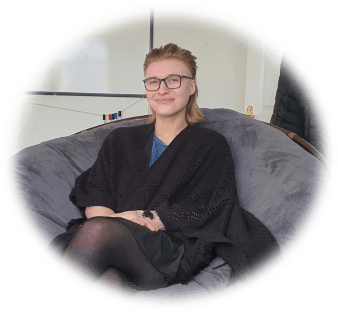
With a diverse background spanning addiction therapy and qualifications in logotherapy, Jungian analysis, motivational interviewing, and art therapy, Wiktoria Fraczek brings a holistic approach to mental wellness. Wiktoria is centred on the belief that the individual is not defined by their struggles, but by their resilience and strengths and looks to help people identify those strengths.
D9 Therapy is a Dublin-based therapy and wellness clinic owned by Ian Croft and Wiktoria Fraczek offering a range of therapy and counselling services for adults dealing with depression, anxiety, addiction, and more.
More News:



Something went wrong. Please refresh the page and/or try again.


Leave a Reply