




Do you know the suss do ye?

This particular phrase has always been a favourite of mine, because if you didn't know the suss, then you wouldn't know the suss, and you wouldn't know the suss unless you knew the suss.

It also doesn't help that the suss gives no indication as to the suss or where the suss comes from, the suss itself doesn't know the suss, and if the suss itself doesn't know the suss, then how could you know the suss?

It's suss all the way down, I've sussed that much out myself so far. I sussed it out the other day when I was doing the susses on the way over, sussing out all the suss in-between yeah.

On the suss are ye? Here, did ye suss that out from the other day yeah?
Nah, I'm still sussing out your one who susses the suss out on the suss yeah.
No bother yeah, give us a shout when you know the suss.
Yeah yeah, no worries, I'll talk to ye when I know the suss.
More Thinkpieces:

Modern ICT Use, Trends, & Legislation
In a world where our phones are smarter than us, ICT revolutionizes life, leaving us blissfully illiterate. Legislation like GDPR ensures our data is ‘fairly’ handled—like a toddler with a cupcake, but with a better outcome!

Enhance Your Fiction: Show, Don’t Tell Explained
So, the whole “show don’t tell” thing in writing is about mixing action and emotions instead of just stating them, making stories more engaging. It’s about creating atmosphere without overexplaining or boring readers.

Utilizing IIFE and Lambda Functions in JavaScript for Effective Scope Management
One of the biggest headaches when working in JavaScript is that it has no implementation of namespaces or modules – custom functions you define may accidentally overwrite existing functions in your code or in any of the libraries that you use, making it easy to accidentally declare global variables, mess up your scope, and introduce…

Cybersecurity Chunks: Diffie-Hellman Key Exchange
In this article we look at the DH process, its uses, and the mathematics behind it.
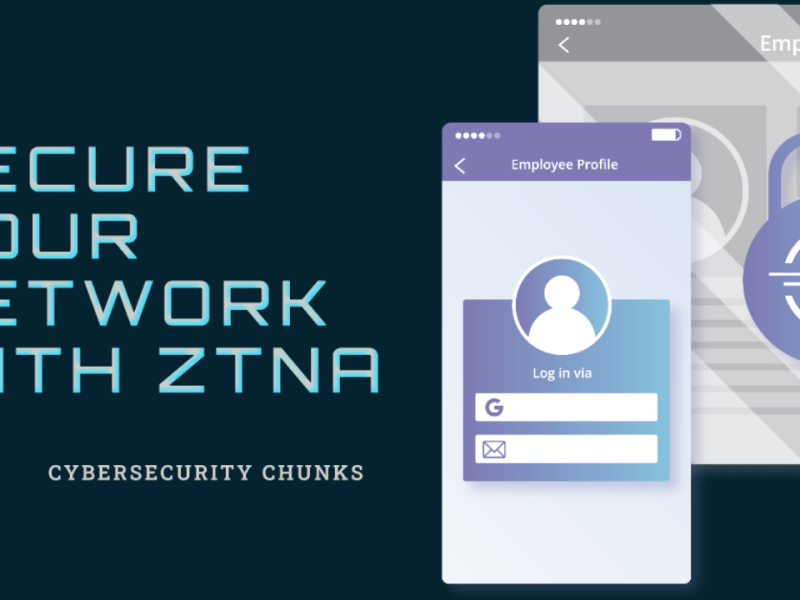
Cybersecurity Chunks: Zero Trust Network Access (ZTNA)
Zero Trust Network Access (ZTNA) is a culmination of the principles of Zero Trust to provide secure remote access to networks, data, and devices by providing granular control to specific resources and ongoing security checks of connected devices.

Cybersecurity Chunks: Zero Trust
In a world where internet cowboys and threat actors are out to breach your network defenses and steal all your precious personal and organisational data, who can you trust? Furthermore, how do you ensure trusted users remain trustworthy?

Pluralism, Segregation, Expulsion, and Genocide: Understanding Majority-Minority Relations in Society
The article discusses the dynamics of majority-minority relations within societies, covering the concepts of pluralism, segregation, expulsion, and genocide, in both a historical and contemporary context.

Understanding Culture Shock: The 5 Stages Explained
A look at culture shock and its stages, as well as the phenomenon of reverse culture shock…

Unveiling the Significance of Culture in Shaping Civilization and Innovation
I have always thought of culture as something akin to the prudent or deliberate way people interact with the world based on what they were taught…
Something went wrong. Please refresh the page and/or try again.
 Giuseppe Gillespie Writing
Leave a comment